
For service questions, see garage door installation in Seattle. Confirm the listed ZIP coverage before calling.
Describe the opening and the building
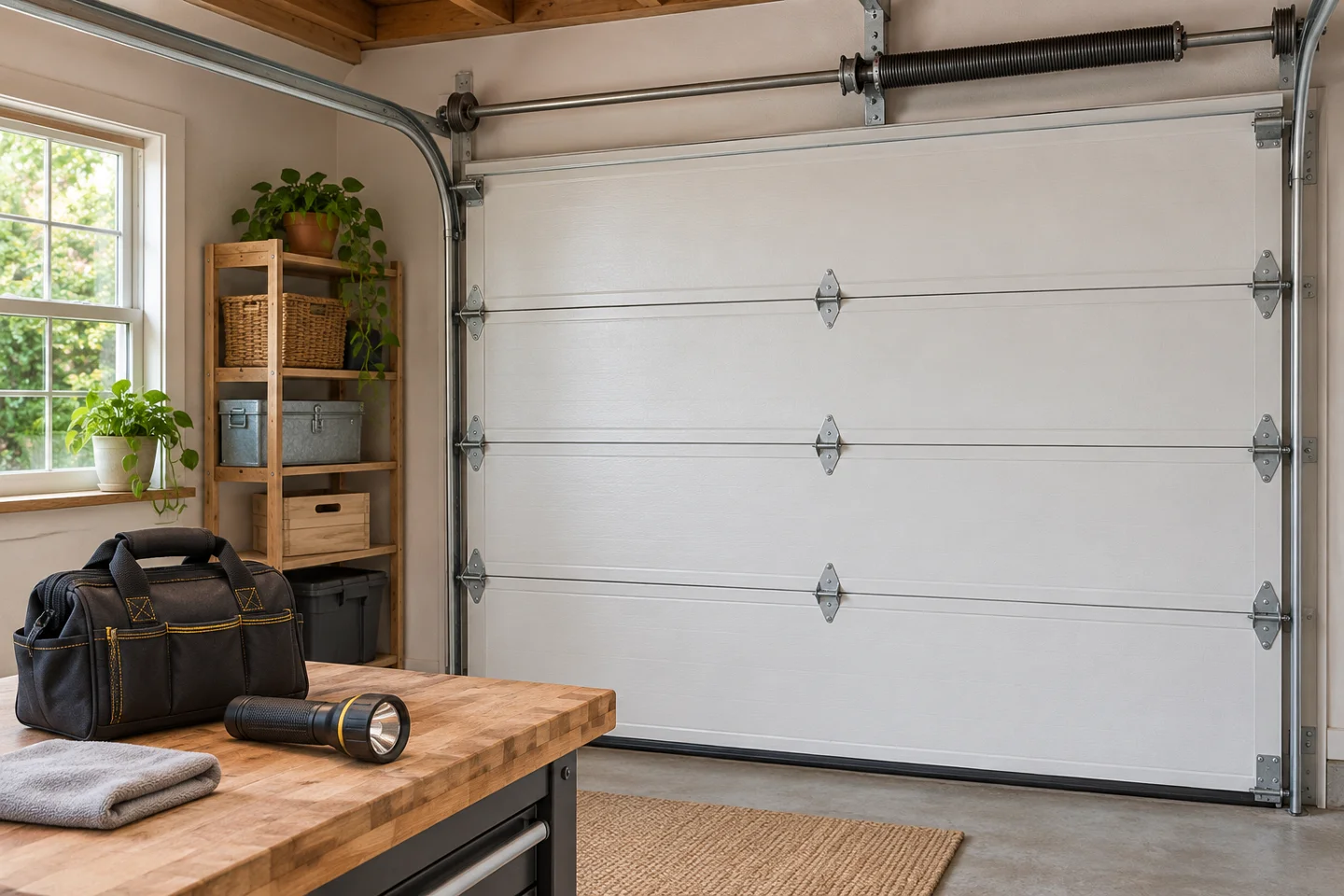
Record the approximate opening and note overhead beams, pipes, shelves and side obstructions. These notes support a conversation; they are not final order measurements. Track layout, headroom and back room need to be checked on site. Explain whether an existing door will be removed and whether the opening itself is changing.
For Seattle homes and properties
Around Seattle’s covered postal areas, wet leaves, shaded approaches and garages beside living space can change the questions worth asking. Describe alley access, moisture at the opening and noise near occupied rooms. Weather context helps the conversation but does not diagnose the fault.
Choose a complete assembly
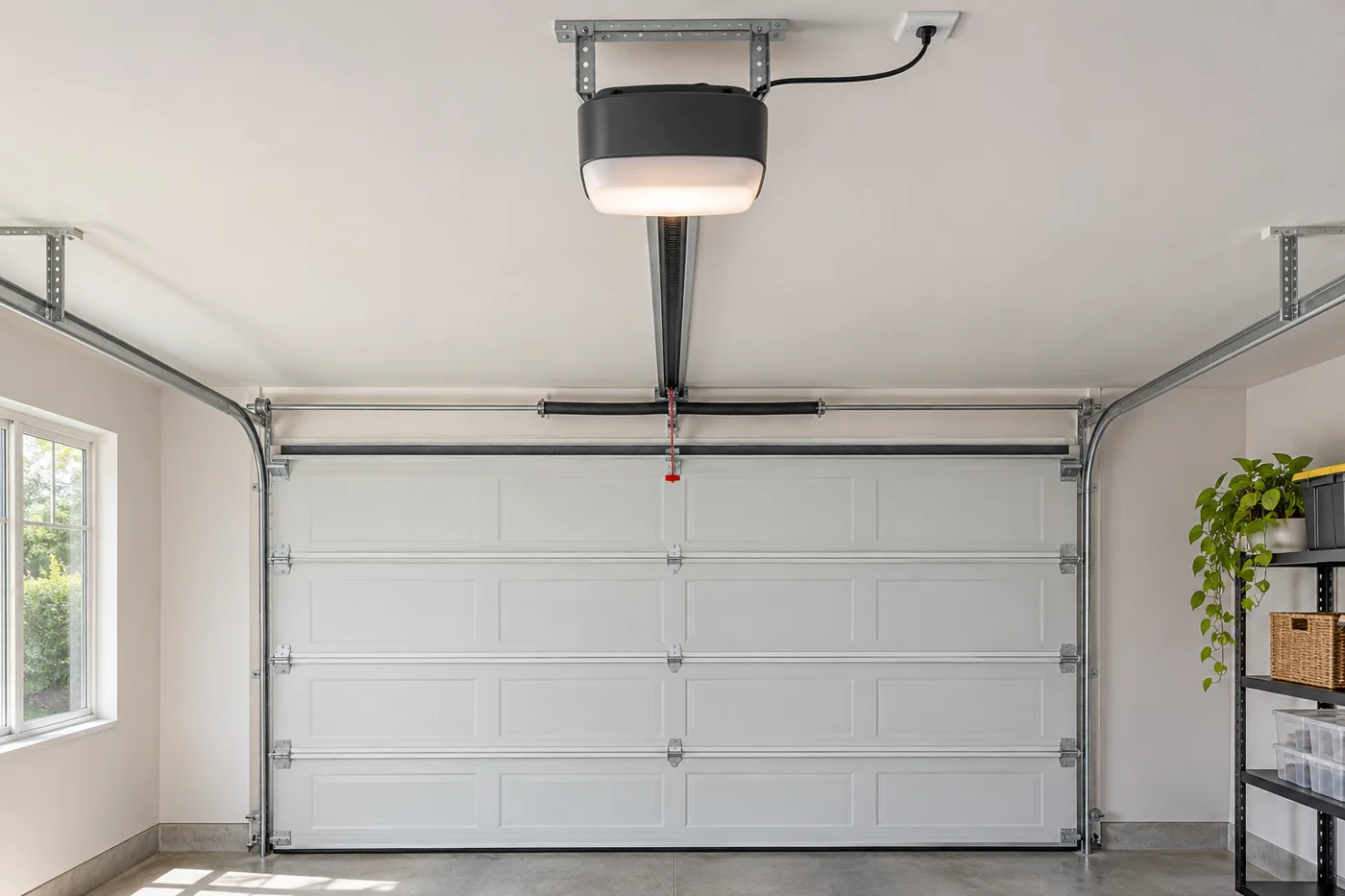
Panel material, glazing and finish shape the appearance, but the door’s weight and hardware determine how it works. Discuss springs, tracks, seals and operator compatibility as part of one assembly. Ask about manufacturer documentation and maintenance expectations. Do not assume every part of the old system should be reused.
Connect choices to daily life
Mention a room above the garage, early departures, workshop use or storage near the ceiling. Those details help with noise, access and clearance discussions. Window placement can affect privacy. Product insulation numbers describe specific test conditions and do not establish the energy performance of the whole house.
Prepare for handover
Ask how controls, manual release and safety features will be explained after installation. Keep manuals and model details somewhere accessible. Clear the work area only when it is safe to do so; do not dismantle the existing door in preparation. Confirm the intended service and scheduling by phone rather than assuming a product conversation is an appointment.
Compare material choices with the building in mind
Steel, wood and glazed assemblies have different care and design considerations. Rather than choosing from a photograph alone, discuss exposure, appearance, privacy, panel construction and the complete system’s weight. If the garage is attached, ask about perimeter sealing and the relationship to occupied rooms. A detached workshop may place more emphasis on opening height and daily access. Do not assume that a manufacturer’s panel insulation value describes the whole installed opening or the home’s future energy use. Product documentation and verified fit are more useful than an unsupported performance promise.
Clearance needs an accurate site check
Headroom is the space above the opening; side room and the depth available inside the garage matter as well. Pipes, beams, lights, shelving and a sloping ceiling can affect the arrangement. Photograph or note them only from a safe position, without placing a ladder beside a damaged operating door. Explain any plans to add overhead storage or change the ceiling later. The installer should verify the layout before components are ordered. An online opening measurement is a starting point for discussion, not approval to select a track configuration or dismantle the existing assembly.
Plan the exterior and the operating space together
A Seattle-style cedar facade and a compact integral garage may suggest a different visual direction from a Bellevue attached bay or a Woodinville workshop. Keep those appearance goals separate from final fit. Explain the opening shape, existing trim and what must remain, then discuss overhead obstructions and the available depth inside. If the garage is beside occupied rooms, include noise and sealing in the comparison. If a driveway is steep or accessed from an alley, describe that before scheduling a site check. None of those details identifies the right product on its own; together they make the conversation more specific than choosing a door from a generic gallery.
Connect the next question
For a heavy or uneven door, read about spring and lifting-system assessment. If only the controls behave differently, explore opener diagnosis. When a new assembly is being considered, the installation guide explains fit and clearance. For a motor upgrade, compare the fit questions in opener installation.
Local considerations: Auburn garage door guidance ↗ Bothell garage door guidance ↗ . Check each locality’s listed ZIPs; a postal name does not establish complete town coverage.
Related reading: door will not open, repair or replace and seasonal care.
Further reading and safety references
Follow the instructions for your exact door and opener. General context: DASMA safety and maintenance; U.S. Consumer Product Safety Commission: automatic garage door openers. This guide supports recognition and planning; it is not a procedure for work on loaded hardware.